

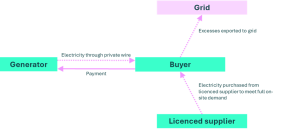
Figure 4. A visual representation of a ‘typical’ virtual PPA
Used often by industrial and corporate organisations, a virtual PPA (sometimes known as a ‘synthetic’ PPA) is a purely financial instrument which guarantees a stable price for generators over a fixed period of time. It involves no actual sale of electricity but instead acts as a ‘hedge’ for generators against volatile wholesale market prices.
In this arrangement, the generator and the buyer will agree a fixed ‘strike price’ over a set period of time. The generator will then sell their electricity to the wholesale market (via the grid) and the buyer will purchase their electricity from their utility as usual.
At times when the price received by the generator from the wholesale market is lower than the agreed strike price, the buyer will pay the generator to top up the difference. At times where the wholesale market price is higher, the generator will pay the money it makes beyond the agreed strike price back to the buyer.
For the generator, this provides certainty in revenues over a long period of time, strengthening their business case and ability to gain investment. For the buyer, the benefit is typically a Renewable Energy Guarantee of Origin certificate, which can contribute to their overall carbon reduction or sustainability credentials. For community energy, a buyer may be a corporate or industrial user which supports the project, or a local authority such as in the case of Plymouth Energy Community.¹
Non-commodity relief: Under a virtual PPA, non-commodity relief is based on the typical licence-exemption (under 5MW, not selling more than 2.5MW to domestic consumers), equating to approximately 5.07p/kWh by summer 2024 prices.
¹ South West Net Zero Hub, 2023. Virtual power purchase agreement.
